Before you can give your home a new look with fresh paint, the surface needs to be perfectly clean. That’s where pressure washing comes in, but it’s only half the battle. To ensure the paint adheres properly, you might ask How long after pressure washing can you paint?
As a general rule, you should wait at least 24 to 72 hours. But this can change based on many things, so we’ll explain everything you need to know in this guide to get it right.
Why Pressure Washing Before Painting Matters
Pressure washing helps paint stick better and last longer. It clears away dust, mold, and chalky residue that can stop paint from bonding. If you skip this step, the paint can peel or bubble within months.
Cleaning before painting also gives you a smoother finish and protects your home from weather damage.
What Are The General Waiting Times?
Every surface dries differently after washing. Here’s a simple guide:
- Vinyl or fibre cement siding: Wait 24–48 hours
- Painted wood: Wait 48–72 hours
- Bare wood or porous masonry: Wait 72 hours or more
Factors That Influence Drying Time After Pressure Washing
The 24-72 hour rule is a good starting point. However, several things can change the drying time after pressure washing. Let’s look at what they are.
Weather Conditions
On a hot, sunny, and breezy day, the surface will dry much faster. The sun and wind work together to pull moisture out. On the other hand, if it’s a cloudy or humid day, it will take much longer. High humidity in the air makes it hard for water to evaporate from the walls.
Surface Type
Different materials hold water differently. Wooden surfaces, like a deck, often need more time to dry completely. Surfaces like vinyl or metal don’t absorb water, so they dry much quicker. Concrete and stucco are somewhere in between; they hold some water but not as much as wood.
Shaded and Sunny Area
Think about how the parts that get a lot of direct sunlight will dry faster than the parts that are in the shade. Always check the shady spots carefully. These areas are usually the last to dry, so give them some extra time.
Guidelines for Different Types of Surfaces
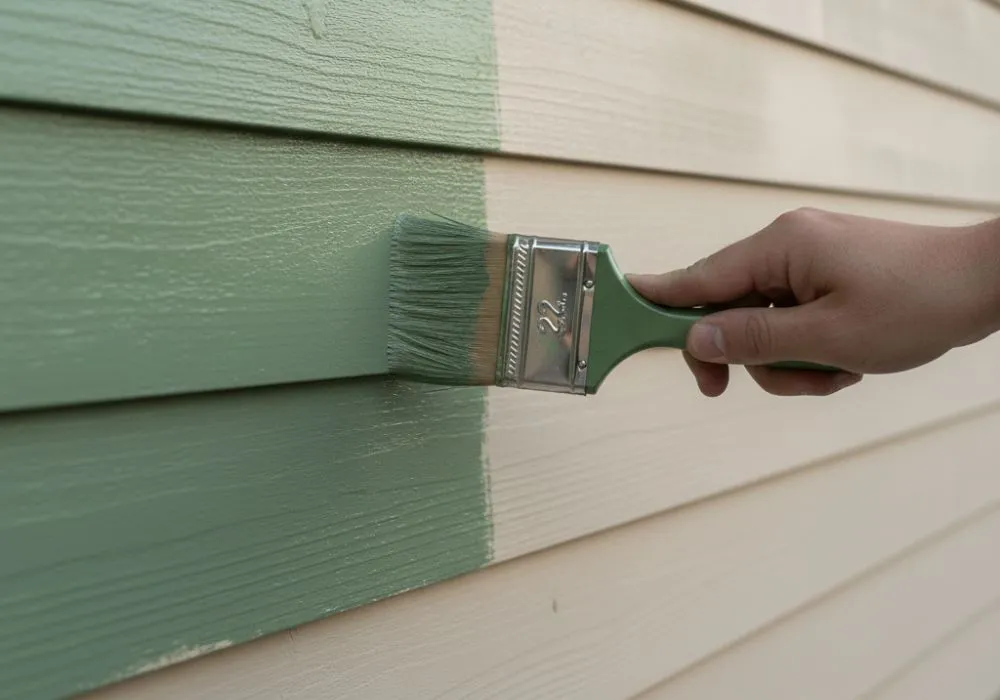
Different types of surfaces take different times. Take a look at these guidelines for better understanding:
- Vinyl or fibre cement siding: These materials are smooth and don’t absorb much water. If the weather is sunny, 24 to 48 hours is usually enough.
- Painted wood siding or trim: Wood needs more time. Wait at least two to three days, especially if it’s cool or humid outside.
- Bare wood: Fresh wood can soak up a lot of water. Give it 72 hours or longer. You can test it with a moisture meter to be sure.
- Brick, stucco, or masonry: These surfaces hold moisture deep inside. Wait at least 72–96 hours before painting. You may need various painting services for these jobs.
How to Perform a Moisture Test Before Painting
How can you be sure the surface is dry enough? You don’t have to guess. You can do a simple moisture test before painting.
- Look closely: If you see dark or damp spots, wait longer.
- Touch test: Feel the surface. If it feels cool or damp, it’s not ready for interior spaces like a kitchen.
- Moisture meter: For wood or masonry, use a meter. Aim for less than 15% moisture.
What Happens If You Paint Too Soon
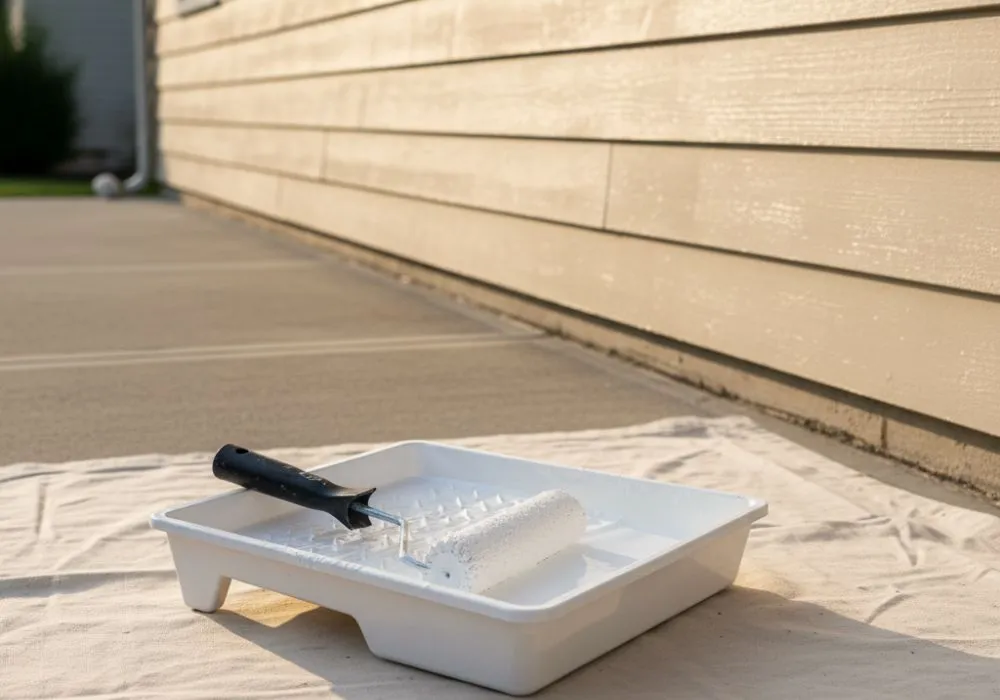
Painting over damp surfaces can lead to big problems. Paint won’t stick well, and you’ll see bubbles or peeling within weeks. Moisture trapped underneath can also cause mold or rot. The finish may look uneven, and the paint won’t last as long.
Conclusion
So, what’s the final answer to how long after pressure washing can you paint? It truly depends on the weather, humidity, and what your house is made of. By waiting at least a full day, checking for dampness, and paying attention to shady spots, you avoid the headaches of peeling and bubbling paint. Now that you know the secret is a completely dry surface, you’re ready to achieve that perfect finish.