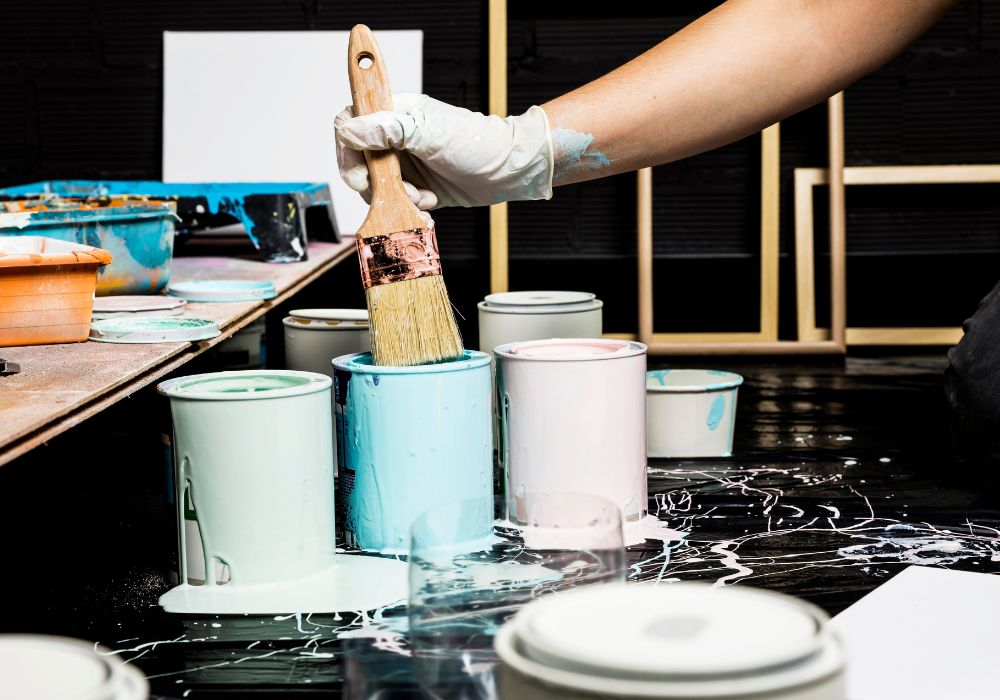
You have leftover paint from an indoor project, and you wonder if you can use interior paint on the outside. Using it seems like a great way to save money and reduce waste. But is it really? This guide will explain why both paints are different and how to choose the right one.
Differences Between Interior and Exterior Paint
Interior and exterior paints might look the same in the can, but they are made for very different jobs. Here, take a look at their main differences according to experts like Platinum Pro Painting:
| Feature | Interior Paint | Exterior Paint |
| Flexibility | Made with hard, rigid ingredients. This creates a surface that is easy to scrub and clean inside your home. | Made with soft, flexible ingredients. This allows the paint to stretch and shrink with temperature changes so it won’t crack. |
| UV | Has almost no protection from the sun. | Is built to block the sun’s powerful UV rays. |
| Resistance | The color will fade very quickly when exposed to direct sunlight. | This keeps the color looking vibrant and protects the surface underneath. |
| Additives | Is designed to resist stains and scuffs from everyday life. | Contains special additives called mildewcides that stop mold and mildew from growing on outdoor surfaces. |
What Happens If You Use Interior Paint Outside?
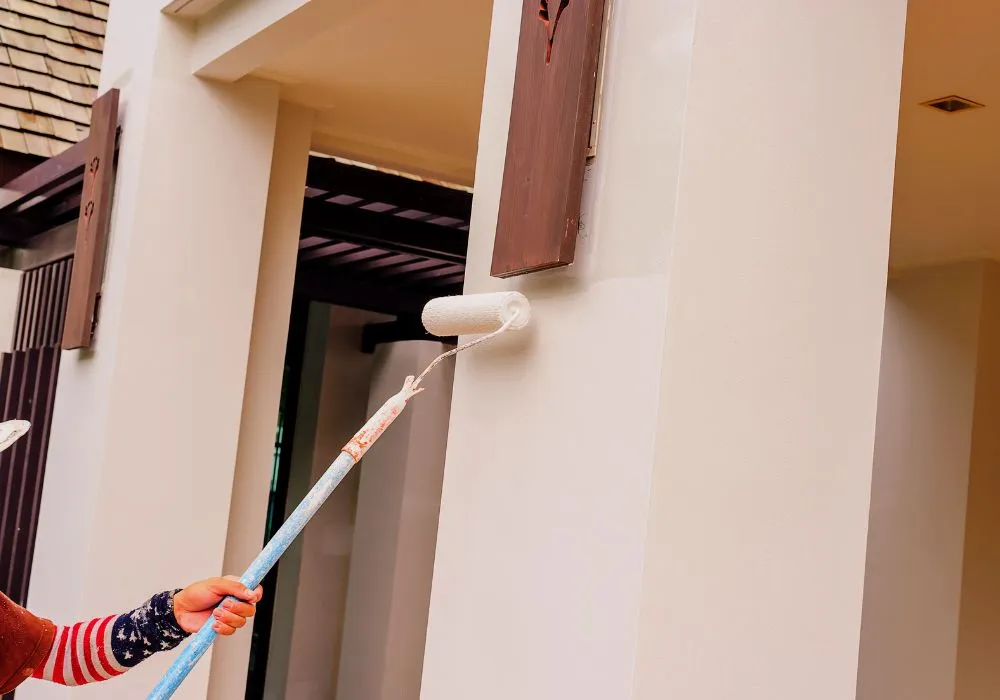
If you decide to answer the question, “Can you use interior paint on the outside?” with a “yes,” here is what you can expect:
- Rapid Fading: The sun’s UV rays will bleach the color out of the paint. What was once a vibrant color will look dull and washed out in just a few months.
- Cracking and Peeling: Interior paint will crack as the wood or metal under it expands and contracts. If moisture gets trapped behind the paint, it will cause bubbles to form and peel away in large strips.
- No Mildew or Mold Resistance: Outdoor surfaces get damp, and it’s a perfect home for mold and mildew. This paint has special chemicals that interior paint doesn’t have.
- Chalking: Over time, the paint will break down into a fine, chalky powder. This powder will sit on the surface and wash away with the rain, leaving your wall unprotected.
Can You Use Exterior Paint Inside?
While we’re on the topic, it’s important to ask the opposite question, too. You should never use exterior paint inside your home. They contain different chemicals that can release fumes called VOCs.
These fumes can be harmful to breathe in a closed space like a room or hallway. It is much safer only to use it outdoors where there is plenty of fresh air.
How to Choose the Right Paint for Your Project
Now that you know why the correct paint matters, picking the right one is simple. Here’s what you need to do to ensure your project is a success.
- Always Choose Exterior Paint: For any job outside, you must use a good-quality paint.
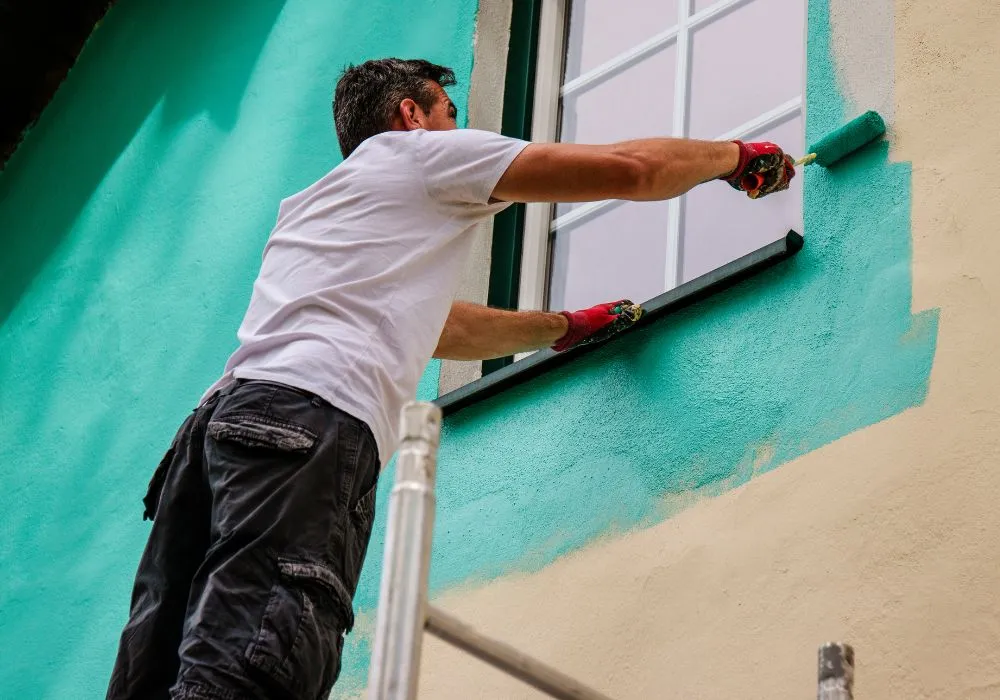
- Use the Right Tools: Use high-quality brushes, rollers, and paint trays. They will help you get a smooth, clean finish without any frustrating streaks or drips.
- Stock Up on Supplies: When you are ready to begin, make sure you have everything you need.
Conclusion
So, to wrap it all up, the final answer to “Can you use interior paint on the outside?” is a definite no. It may seem like a clever way to use up leftovers, but it will create a bigger problem that costs more to fix later. If you are planning a big painting project, then it’s always smart to consult with a professional.